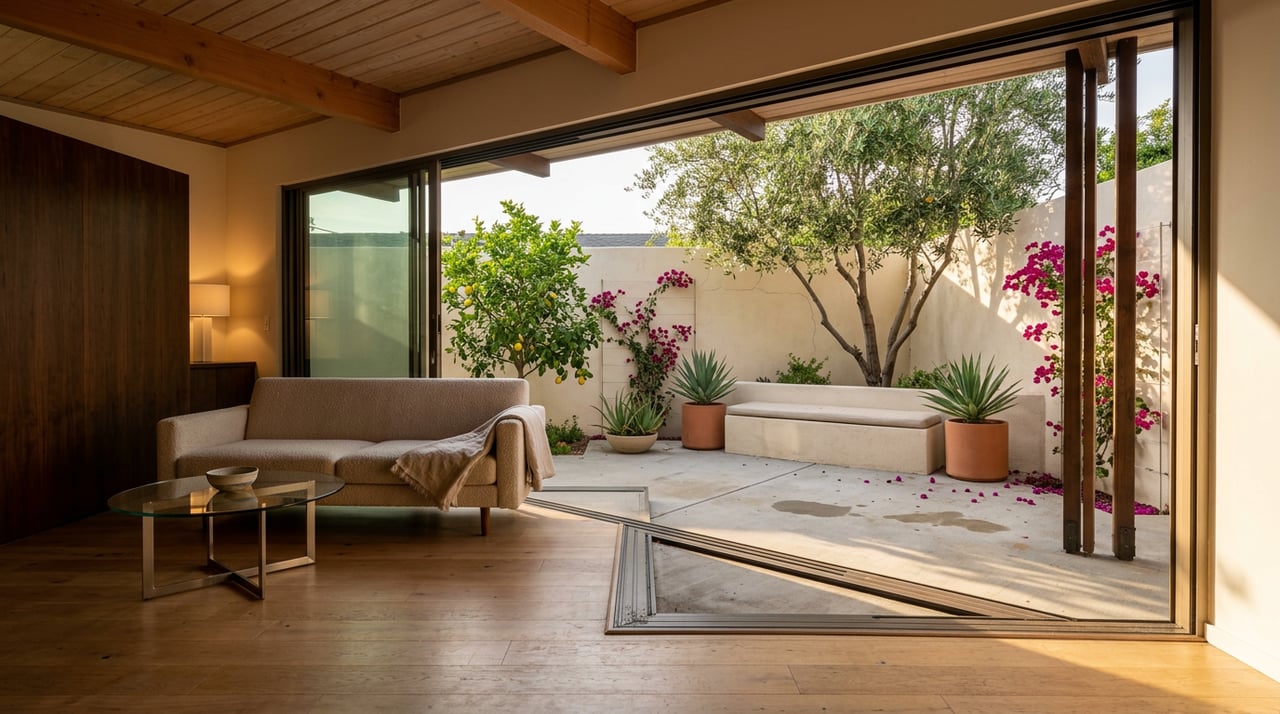
Craving a low-key beach escape you can reach in under two hours from LA? Carpinteria pairs small‑town charm with walkable beaches, a cozy downtown, and a slower rhythm that makes short trips feel like real time off. If you’re considering a second home here, you want clear numbers, simple steps, and the rules that affect your plans. This guide gives you the 2026 price picture, cost checklist, short‑term rental rules, coastal risk notes, and a due‑diligence plan so you can buy with confidence. Let’s dive in.
Why Carpinteria works for second homes
Just southeast of Santa Barbara, Carpinteria draws many weekend buyers from the Los Angeles and Ventura areas. You get an easy coastal drive, a compact downtown around Linden Avenue, and a Beach Neighborhood where you can walk to sand, coffee, and dinner.
The City’s planning materials note that the Beach Neighborhood and bluff‑adjacent areas are sensitive to coastal hazards, which matters for insurance, maintenance, and future permitting. If you are eyeing ocean‑close property, plan a little extra time for diligence and questions to the City. You can review the City’s coastal hazard planning in the Local Hazard Mitigation Plan annex and sea‑level‑rise material in the City’s published report.
- Read more in the City’s coastal hazard planning materials: Carpinteria Hazard Mitigation Annex and sea‑level‑rise content
2026 prices and property types
As of February 2026, Redfin reported a median sale price in Carpinteria of about $1.43 million. Zillow’s city page shows values in the mid‑$1.4 million range. Inventory is tight and property‑specific, so your price will depend on location, condition, proximity to the beach, and views. Always ask for current local comps when you are serious about a home.
Common property types
- Beachfront and near‑beach cottages and single‑family homes. You will see oceanfront options around Sand Point Road and bluff‑adjacent streets, plus compact single‑family lots just behind the bluffs.
- Condos and townhomes near Linden Avenue and the Beach Neighborhood. Communities like Carpinteria Shores, Beach Grove, and Village Gardens are popular for second‑home buyers who want lower maintenance. Recent listings show HOA dues that often range from a few hundred dollars to near $1,000 per month depending on amenities and location.
- Manufactured and mobile‑home communities and small multifamily buildings also appear in the local mix. These can involve different HOA or lot‑lease structures, so confirm terms early.
Costs to plan for in Carpinteria
Buying a second home is as much about holding costs as it is about price. Use this section to build your first‑year budget.
Property taxes and closing costs
- Proposition 13 sets California’s baseline property tax calculation at 1% of assessed value, plus voter‑approved local assessments and bonds. In Carpinteria, many parcels land around an effective 1.1% to 1.2% of assessed value, but the exact rate varies by property.
- Ask escrow for the current tax bill, any supplemental tax estimates, and a full closing‑cost breakdown. Typical items include title and escrow fees, prorated property taxes, and any city or county transfer taxes.
- For parcel‑level tax details and assessment lines, use the County’s assessor portal and the property’s APN.
- Check parcel‑level tax details at the Santa Barbara County Assessor
Insurance and coastal risks
- Homeowners insurance: Premiums near the coast can be higher than inland areas. Request quotes for dwelling coverage, personal liability, and replacement‑cost coverage before you release contingencies.
- Flood insurance: Some low‑lying parcels near creeks, marsh areas, or the shoreline fall within FEMA Special Flood Hazard Areas. Lenders typically require flood insurance in these zones. Confirm the flood map for the exact parcel and budget for an NFIP or private flood policy.
- Learn more about FEMA flood mapping and notices: FEMA flood and public notices
- Sea‑level rise and erosion: The City identifies the Beach Neighborhood, lagoon‑adjacent parcels, and bluff edges as more vulnerable over the coming decades. This can influence insurance costs and future permitting. For shoreline or bluff‑edge properties, consider a coastal or geotechnical engineer review.
- Review local risk context in the City’s Hazard Mitigation Annex
Utilities, HOAs, and services
- Electricity: Southern California Edison provides delivery in the area. Generation service is often through Central Coast Community Energy. You can confirm program details here: Central Coast Community Energy update for Carpinteria
- Natural gas: Southern California Gas serves the region.
- Water: Carpinteria Valley Water District provides water service.
- Sewer: Carpinteria Sanitary District handles wastewater service. Find service details here: Carpinteria Sanitary District
- HOA dues: Condos and townhomes near the beach may carry HOA dues from a few hundred dollars to around $1,000 or more per month. Dues often bundle some insurance or utilities. During escrow, review the CC&Rs, current budget, reserve study, and master insurance certificate.
Coastal maintenance and reserves
Salt air and sun are hard on exteriors. Plan for more frequent roof and deck care, exterior paint, hardware replacement, and window or door maintenance. For high‑exposure oceanfront lots, long‑term shoreline protection or future adaptation may be a factor, subject to permitting. Build an annual maintenance reserve, and for older coastal homes, a planning rule of 1% to 2% of property value per year can help you model costs. For broader coastal risk context, reference the City’s hazard and resiliency materials.
Short‑term rental rules in Carpinteria
If you plan to rent your place occasionally, know the ground rules before you write an offer.
- Licensing: Carpinteria regulates short‑term rentals and distinguishes between Vacation Rentals (owner off‑site) and Home‑Stays (owner on‑site). New Vacation Rental licenses are issued only within the City’s Vacation Rental Overlay District. License caps and location limits apply in some areas. Licenses renew annually by June 30, and the City maintains a public registry. Always verify if a property has a valid, transferable license or sits inside the overlay before you assume it can operate.
- Review official requirements and the overlay at the City’s Short‑Term Rental Information page
- Transient Occupancy Tax: Carpinteria’s TOT is 15% on stays of 30 days or fewer, effective January 1, 2025. Owners must register and remit on the City’s schedule.
- See TOT details and deadlines: Carpinteria TOT information
Renting math and management
- Platform fees: Airbnb shifted many hosts to a host‑only service fee model around 15% in late 2025, which affects your pricing and net. Always check the current structure for your listing type and region.
- Read an overview of the host‑only fee model: Hostaway summary of the 15% host fee
- Ongoing costs: Budget for cleaning and turnover, restocking, utilities, HOA rules and fees, and a local property manager if you will not self‑manage. Confirm any local requirements for a 24/7 contact.
- Compliance: Ask the seller for license records, TOT remittance history, and any City notices. A listing on a platform does not guarantee compliance.
Taxes on mixed personal and rental use
The IRS treats your property differently based on how many days you rent it and how much you use it personally.
- If you rent the home 14 days or fewer in a year, that rental income is generally not reportable to the IRS. Deductions are limited under this rule.
- If you rent more than 14 days, you must report rental income, and you will allocate expenses between personal and rental use.
- Ask your CPA about depreciation, passive loss rules, and how mortgage interest may be handled.
- See IRS guidance in Publication 527
Sample budget scenarios to stress‑test your numbers
Use these sketches to shape a first‑year budget. Plug in the property’s list price, APN, insurance quotes, and HOA documents for accuracy.
Scenario 1: Downtown or near‑beach condo
- Property taxes: Estimate at 1.1% to 1.2% of your assessed value. Confirm with the County.
- HOA dues: Use the listing’s monthly figure. Many run a few hundred dollars to near $1,000 or more based on amenities and coverage.
- Insurance: Condo policies vary. Ask if the HOA master policy includes certain elements and price your HO‑6 accordingly.
- Utilities: Electricity, gas, water, and sewer as applicable. Some HOAs include portions of these.
- Maintenance reserve: Even with an HOA, budget for interior systems and updates.
Scenario 2: Small single‑family home behind the bluffs
- Property taxes: Start at 1.1% to 1.2% and refine with the tax bill.
- Insurance: Full homeowners policy, with wildfire and wind exposure priced into your quotes.
- Utilities: Standard services based on usage.
- Maintenance reserve: Plan 1% to 2% of value annually, scaled to age and condition.
Scenario 3: Oceanfront or bluff‑edge single‑family home
- Property taxes: 1.1% to 1.2% planning range.
- Insurance: Expect higher premiums. Obtain homeowners, and if applicable, flood and earthquake quotes early.
- Utilities: Standard services; add seasonal landscaping and exterior care.
- Maintenance reserve: Use the high end of the 1% to 2% range and consider specialized coastal inspections.
Tip: Bring the APN, list price, and any HOA documents to your CPA and insurer during your inspection window so your monthly model reflects real quotes.
Due‑diligence checklist you can use
Documents and verifications
- Property tax bill and APN with special assessments noted. Verify through the County Assessor.
- HOA documents if applicable: CC&Rs, budget, reserve study, insurance certificate, and written rental policy.
- Short‑term rental status: City STR license record, any overlays or caps that affect the parcel, and TOT remittance history if rented. Start with the City’s STR information page.
- Hazard reports: FEMA flood map status for the parcel and any coastal or sea‑level‑rise materials relevant to the lot. You can reference FEMA’s public notices here and the City’s hazard annex.
- Insurance quotes: Request homeowners, flood if required, and earthquake quotes in writing.
Inspections and professionals
- Standard home, roof, termite/pest, and HVAC/plumbing inspections.
- Coastal or geotechnical engineer review for bluff or shoreline parcels.
- Flood and elevation certificate check if the parcel is in a mapped flood zone.
- Attorney review of HOA documents if you plan to rent.
- CPA consult on mortgage interest, depreciation, passive losses, and potential future sale planning. Reference the IRS guidance in Publication 527.
Financing and planning questions
- Second‑home financing often has different down payment and qualifying standards than a primary residence. Get pre‑approved early and be clear with your lender about any planned rental use.
- Model a full monthly budget that includes property taxes, insurance, HOA dues, utilities, and a maintenance reserve. Update the model with real quotes during escrow.
Work with a local team that knows the coast
Buying a second home along the Santa Barbara coastline is about more than the view. It is about smart diligence, realistic budgeting, and a plan that matches your lifestyle. If you want clear advice, hands‑on support, and renovation insight when you need it, connect with the Sharp Ramsey Group. We blend boutique service with regional market reach to help you spot the right property and navigate the details with confidence.
FAQs
What are the current short‑term rental rules in Carpinteria?
- Carpinteria requires STR licenses, limits new unhosted Vacation Rentals to the City’s overlay district, renews licenses annually by June 30, and enforces a 15% TOT on stays of 30 days or fewer. See the City’s STR page and TOT page.
How much are property taxes on a second home in Carpinteria?
- A common planning range is 1.1% to 1.2% of assessed value, but the exact amount varies by parcel; verify the tax bill and assessments with the County Assessor.
Do I need flood insurance near Carpinteria’s beach or creeks?
- If the parcel sits in a FEMA Special Flood Hazard Area, lenders typically require flood insurance; confirm map status for the exact address and budget for an NFIP or private policy. See FEMA’s public notices.
What utilities serve Carpinteria homes and condos?
- Electricity is delivered by Southern California Edison with generation often through Central Coast Community Energy, gas by Southern California Gas, water by Carpinteria Valley Water District, and sewer by Carpinteria Sanitary District. See 3CE’s program update and Carpinteria Sanitary District.
How does the IRS treat income if I both use and rent my second home?
- If you rent it 14 days or fewer in a year, that rental income is generally not reportable; rent it more and you must report income and allocate expenses between personal and rental use. See IRS Publication 527.
What should I review in an HOA if I plan to rent occasionally?
- Request the CC&Rs, current budget, reserve study, master insurance certificate, and written rental policy to confirm whether short‑term or mid‑term rentals are allowed and what rules apply.
