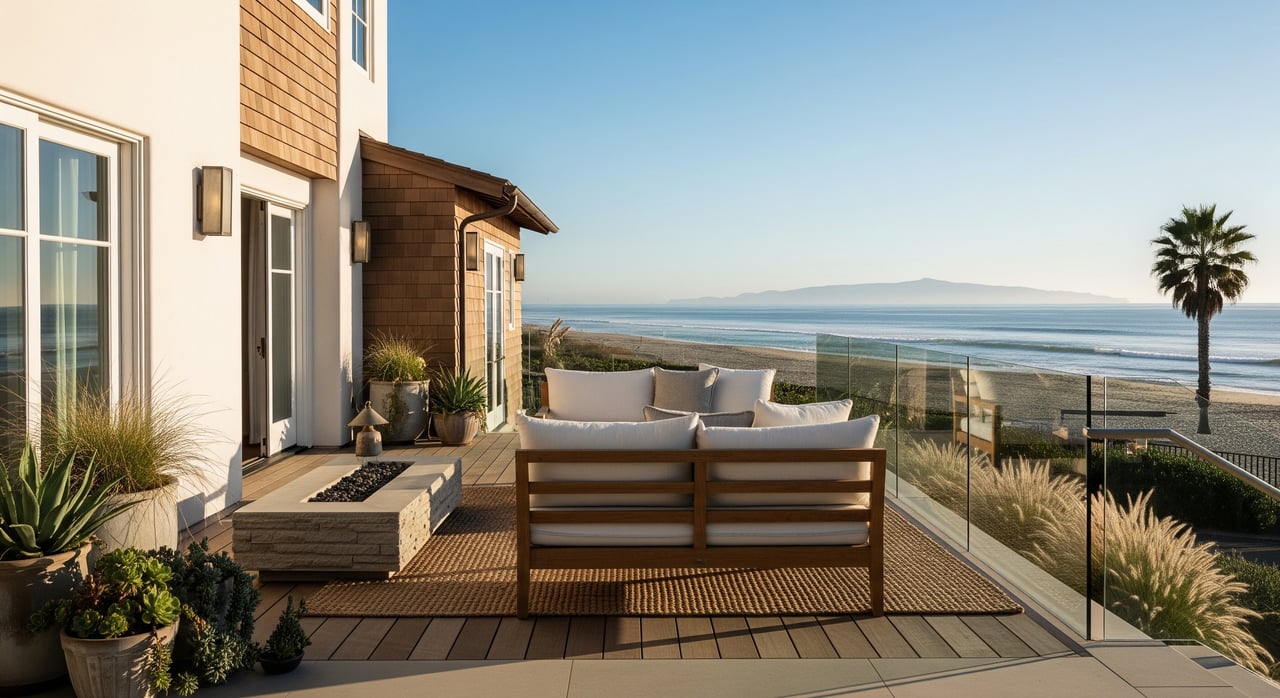
What if your morning walk ended with your toes in the sand and coffee on Linden? If you are exploring a move to Carpinteria, you likely want a lifestyle that keeps the beach close and day-to-day errands simple. In this guide, you will learn how the coastal pockets fit together, what you can realistically own near the water, and the key rules and risks that shape beach living here. Let’s dive in.
How Carpinteria is laid out
Carpinteria is a small coastal city of about 13,264 residents, so distances are short and the shoreline is the anchor. The core runs along Linden Avenue, with the State Beach and bluff trails to the south and single-family neighborhoods spreading inland. Policies and permits near the coast are shaped by the California Coastal Act and the City’s Local Coastal Program.
Beachfront and immediate coastal strip
This is the closest you can live to the sand. You will see compact condo buildings, duplexes, and small cottages tucked near Carpinteria State Beach. Access to sand, picnic areas, and the campground is about as easy as it gets along this stretch. You also get quick connection to trails and open space on the bluffs.
Expect limited inventory and competition when a unit comes up. Buildings are older in some spots, which makes HOA health, insurance, and maintenance history important to review. Parking can be tight near popular access points, especially during peak season.
Downtown and Linden Avenue corridor
Downtown feels like a walkable village with restaurants, coffee, and small markets along Linden. Many homes here are a mix of cottages, small multifamily, and condo units with short walks to the beach. If you care about going on foot, this area typically offers the highest day-to-day convenience.
Noise and parking rules vary block by block near the commercial core. Check any resident permit zones and time limits posted on nearby streets. If you plan to host guests often, condo guest parking policies can matter in this zone.
North of the 101 inland neighborhoods
Inland pockets north of Highway 101 are more residential and spacious. You will find bungalows, ranch homes, and some newer construction on slightly higher ground. Beach time usually means a short drive or bike ride.
These areas have less immediate coastal flooding exposure than the lowest beachfront blocks, but you still need to consider regional seismic risk and local drainage. Walkability is more limited, so plan for car trips for errands. Many buyers choose this zone for yard space and privacy.
East and west fringe coastal pockets
Toward the borders with Rincon and Summerland, you will find smaller, quieter coastal streets and some private lanes. There are pockets of beachfront condos and homes with limited public amenities within walking distance. Access varies by block, and rules on street parking are important to confirm.
Inventory is slim and can feel very private. If beach access is your priority, measure the exact route from the property to the nearest public walkway or stairway.
Mobile and manufactured home communities
Carpinteria includes manufactured home parks that offer a different path to live near the beach. Entry costs can be lower than condos or cottages in similar locations. Ownership models and park rules vary, so you will want to understand lease terms, financing options, and any resale rules before you commit.
What you can own near the sand
Oceanfront and near-beach condos
- Pros: Exterior care is handled by the HOA, and condos are often the most realistic way to own steps from the beach. Shared amenities can include parking, courtyards, or pools.
- Cons: HOA dues, possible special assessments, and rules on rentals and guests. Private outdoor space may be limited, and salt air increases wear on exterior materials.
- What to check: HOA budget and reserves, master insurance, building age and any seismic retrofit history, parking allocations, and rental rules.
Beach cottages and small single-family homes
- Pros: Privacy, a yard or patio, and more control over improvements. These homes can offer strong lifestyle appeal and long-term upside.
- Cons: Higher maintenance and older systems are common. Coastal permit limits and setbacks can affect additions or rebuilds.
- What to check: Foundation and drainage, plumbing and electrical upgrades, and any past coastal permits on file.
Duplexes, triplexes, and small multifamily
- Pros: Potential for income or a flexible setup with an ADU. You can live in one unit and rent the others long term, subject to local rules.
- Cons: Landlord responsibilities and possible permitting requirements for rental operations.
- What to check: Local rental ordinances, parking requirements, and any history of code compliance.
Mobile and manufactured homes
- Pros: A lower entry point for beach proximity and a simpler lifestyle.
- Cons: Financing can be different from site-built homes, and park leases and rules are central to value and resale.
- What to check: Space rent terms, community rules, and lender requirements for your loan type.
Walkability, transit, and parking
On-foot access
The most walkable streets are in and around the Linden Avenue corridor and the immediate beachfront. Many errands and meals can be done on foot in these blocks. Because walkability shifts block by block, use parcel-level tools like Walk Score and take an on-site walk during the time of day you plan to use the area.
Rail and bus connections
Carpinteria sits on the Pacific Surfliner corridor. The local station provides rail access to Santa Barbara, Ventura, and Los Angeles for work trips or weekend travel. Regional bus routes through Santa Barbara MTD link Carpinteria with nearby communities, with higher frequency during commute times.
You can review schedules and the station details through Amtrak’s Carpinteria station page. If you expect to commute, compare train and bus times to your daily schedule.
Driving and beach parking
U.S. Route 101 is the main north-south artery through Carpinteria. Popular beachfront lots and streets near Carpinteria State Beach fill quickly during summer and holidays. Expect paid parking or time limits in some zones and always confirm posted rules.
For condos, confirm how many deeded parking spaces you have, guest parking rules, and any permit requirements. For houses and cottages, check street parking allowances and driveway access during peak seasons.
Everyday amenities
Dining, coffee, banking, and small markets concentrate around Linden and downtown. Specialty shopping is often a quick drive to Santa Barbara. Outdoor time goes well beyond the sand, from the campground and day-use areas at Carpinteria State Beach to bluff-top trails protected by the Carpinteria Bluffs Conservancy.
Coastal hazards and insurance basics
Coastal living comes with unique risks. Low-lying or bluff-front parcels can face flooding, storm surge, and long-term erosion. Southern California also has mapped tsunami evacuation zones and a region-wide earthquake profile.
Insurance and lending will reflect these risks. Lenders may require flood insurance in FEMA flood zones, and earthquake insurance is separate and voluntary. Premiums and coverage availability can shape your total monthly cost of ownership.
Quick due diligence checklist
- Look up the parcel on the FEMA Flood Map Service Center and confirm whether a lender will require flood insurance.
- Review sea-level rise and coastal development guidance from the California Coastal Commission if you plan to remodel or add square footage.
- Ask the seller for any geotechnical or coastal engineering reports, plus records of storm-related repairs.
- Get insurance quotes early and review policy types and deductibles with the California Department of Insurance resources.
- For older buildings, confirm seismic retrofit history and ask about HOA or owner upgrades.
Rental and renovation rules to confirm
Short-term rental rules can change and often differ for condos and single-family homes. Always verify current rules, licensing, parking requirements, and any caps with the City of Carpinteria. If an HOA is involved, read the rental section closely and request any enforcement history.
Renovations near the shoreline may require coastal development permits, even for work that seems routine. Early planning with city staff can help you set realistic timelines. For ADUs and other additions, confirm local standards and how state law is applied on your block.
How to choose the right pocket
Define your must-haves. Is it being within a few blocks of the sand, or is a yard and privacy more important? Rank walkability, parking, and storage needs.
Test the route. Walk from the front door to the nearest public beach access. Note any stairs, crossings, or grade changes.
Audit the numbers. Compare HOA dues or park space rent, insurance quotes, property tax estimates, and typical utilities for the specific property.
Check the rules. Confirm city permits, HOA policies, and any rental limits that affect your plan.
Think long term. Plan for maintenance in a salt-air environment, from exterior paint cycles to roof timelines, and reserve for those costs.
Local quality-of-life snapshot
Carpinteria’s compact size means you can reach the beach, dining, and transit without much hassle. The bluff trails and open space create a strong outdoor draw, and the rail stop opens weekend and commuter options. The city’s population is modest, which contributes to a small-town feel near the water. You can validate that context on U.S. Census QuickFacts.
When you weigh condos against cottages, think through tradeoffs between HOA coverage and personal control. Condos simplify exterior work, while single-family homes give you freedom to personalize. In both cases, coastal permitting and insurance deserve a closer look.
We can help you compare options
You deserve a clear plan that fits how you live. Our team pairs on-the-ground knowledge of Carpinteria’s beach pockets with practical renovation insight to help you choose the right street, building, and unit type. If you want a second set of eyes on HOA documents, insurance quotes, or a remodel concept, we are here to help.
Ready to see which pocket fits you best? Reach out to the Sharp Ramsey Group to start a tailored search or to schedule private tours.
FAQs
How walkable is Carpinteria to the beach for most homes?
- Walkability is highest near Linden Avenue and the beachfront, while inland pockets north of the 101 are more car dependent, so test the exact route from any home you are considering.
What transit options connect Carpinteria to nearby cities?
- The Pacific Surfliner stops at the local station and regional buses through Santa Barbara MTD link to Santa Barbara and Ventura, with the Amtrak Carpinteria station offering rail schedules.
What permits could I need to remodel a near-beach property?
- Projects in the coastal zone may require coastal development permits and city approvals, so review guidance from the California Coastal Commission and consult city planning.
Will my lender require flood insurance for a beachfront condo?
- It depends on the parcel’s FEMA designation, so check the FEMA Flood Map Service Center and get quotes before you write an offer.
What should I review before buying into a beach-area HOA?
- Request the budget, reserve study, insurance declarations, meeting minutes, rental rules, parking policies, and any special assessment history to understand true monthly costs.
