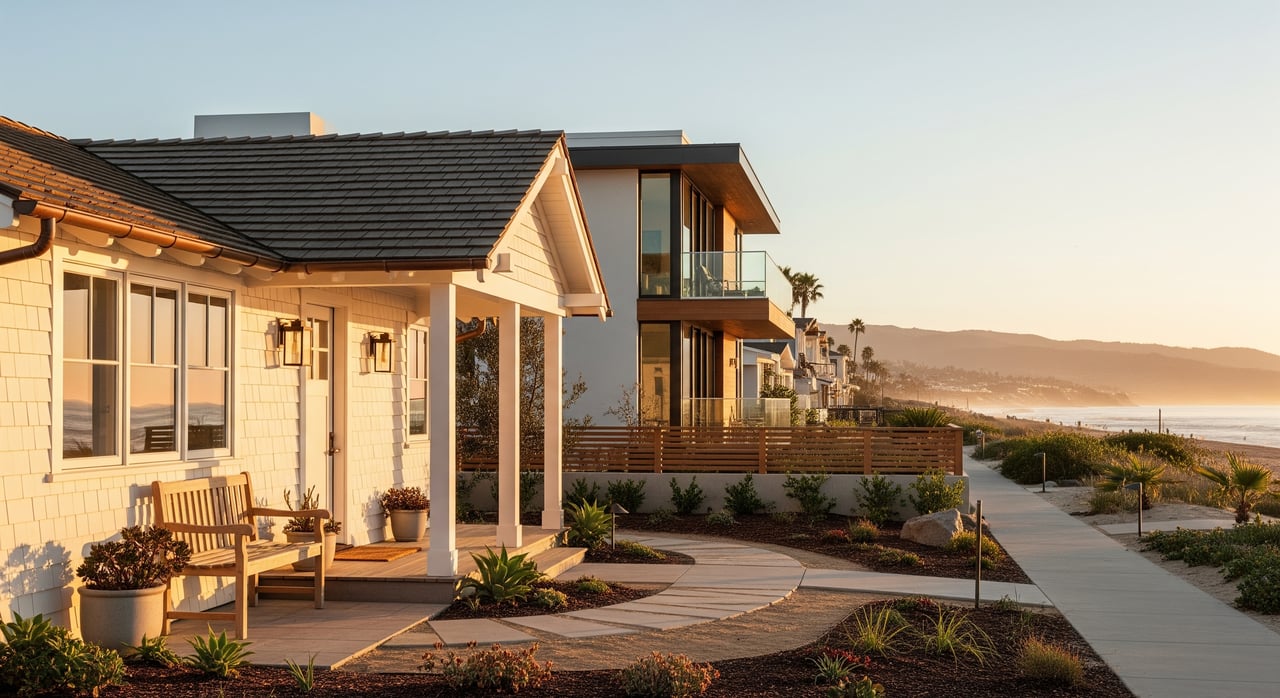
You picture early walks on Carpinteria’s sand and easy dinners in the Village, but you keep coming back to one choice: condo or cottage. Both can deliver the coastal lifestyle you want, and both come with tradeoffs that affect cost, maintenance, privacy, and daily routines. In this guide, you’ll learn the key differences, what to verify before you buy, and how to decide which option fits your goals. Let’s dive in.
Condo vs cottage at a glance
Choosing between a condominium and a freestanding cottage in Carpinteria often comes down to lifestyle and tolerance for maintenance.
- Condos usually offer a lower entry price, less personal maintenance, and strong walkability near the beach and downtown. You trade some control for HOA rules, dues, and shared walls.
- Cottages usually provide more privacy, outdoor space, and control over improvements. You trade that control for higher maintenance and, often, a higher purchase price in beach-proximate areas.
Cost basics in Carpinteria
Purchase price entry
- Condos typically come in at a lower purchase price than comparable cottages in the same coastal pocket. You buy your unit plus a share of common areas rather than an entire lot.
- Cottages often command higher prices because you own the land, the structure, and private outdoor space. Limited supply of small beach cottages can push demand higher.
Monthly and recurring costs
- Condos: Homeowners association dues cover some combination of exterior upkeep, landscaping, common utilities, and an insurance master policy. Dues are a real monthly expense and can rise over time.
- Cottages: You pay for all utilities and services directly, plus exterior maintenance and landscaping. There are no HOA dues, but out-of-pocket costs can add up.
- Taxes: Both property types pay Santa Barbara County property taxes. Detached homes often carry higher assessed values. Check parcel taxes or special assessments for any property you are considering.
Insurance differences
- Condos: You will likely carry an HO-6 policy for interior finishes, personal property, and liability. The HOA’s master policy covers common areas and sometimes the exterior shell. Review whether the master policy is all-in or bare walls so you know your responsibility.
- Cottages: You will likely carry a standard homeowners policy that covers the structure, any detached structures, personal property, and liability.
- Coastal factors: Proximity to the ocean can increase premiums and may require endorsements for wind, flood, and earthquake. Confirm FEMA flood zone status and consider earthquake coverage through private carriers or the California Earthquake Authority.
Financing notes
- Condos: Lenders may review HOA budgets, reserves, owner-occupancy ratios, and litigation status. Some loan programs have stricter condo requirements.
- Cottages: Underwriting usually focuses on the property condition and you as the borrower. There is no HOA approval layer.
- Rates and down payments are broadly similar, but condo lending can vary by association. A local lender can guide program options for your specific target.
Maintenance and control
What condos cover
- HOAs often handle exterior maintenance, roofs, landscaping, and common utilities. Many also cover trash and pest control for common areas.
- You are typically responsible for interior systems, finishes, and personal property. Windows and doors may be yours or the HOA’s, depending on CC&Rs.
- Review the reserve study, meeting minutes, and budget to understand upcoming projects and the potential for special assessments.
What cottages require
- You handle everything from the roof to the driveway, plus yard and exterior paint. The tradeoff is freedom to renovate and personalize on your timeline, subject to permits.
- Coastal cottages need proactive care for salt corrosion, wood rot, and rust. Expect more frequent exterior painting and attention to decks, railings, and windows.
Coastal maintenance realities
- Salt air and humidity accelerate wear on metal fixtures, HVAC components, fasteners, and exterior finishes.
- Termite risk is a known factor in Santa Barbara County. Regular inspections are smart.
- Landscaping near the coast benefits from drought and salt-tolerant species, plus efficient irrigation.
Lifestyle and location tradeoffs
Beach and walkability
- Condos near downtown Carpinteria and the bluffs often sit a short walk to Carpinteria State Beach, shops, and cafes. This is ideal if you value a car-light lifestyle.
- Cottages close to the beach are fewer and can carry a premium for the privacy and yard space. Cottages set back from the shore may be quieter but less walkable.
- Focus on proximity to the Linden Avenue and Carpinteria Avenue cluster for dining and grocery access.
Parking and storage
- Condos may include designated spaces and limited guest parking. Storage for surfboards, bikes, and kayaks varies by building and may be tight.
- Cottages often include a garage or driveway and more storage. Street parking rules near the beach can be strict, so confirm before you buy.
Noise and privacy
- Condos share walls, so you can expect less privacy and more potential for neighbor noise. HOA rules may address quiet hours and nuisance issues.
- Cottages offer more separation and private outdoor space, with possible seasonal tourist noise closer to the beach.
Outdoor living and personalization
- Cottages give you greater freedom to shape gardens, hardscaping, and outdoor kitchens. Permits are needed for larger changes.
- Condos may include common amenities like landscaping or a pool. Personalization is usually limited to interiors and any private balcony or patio per CC&Rs.
Neighborhood contexts to consider
- Downtown Carpinteria and the Village area offer strong walkability to beach access, dining, and services. Condos cluster here and along nearby corridors.
- Carpinteria Bluffs and the Seal Fountain area provide oceanfront trails and a mix of condos and single-family homes with high desirability for proximity to the coast.
- Padaro Lane and Rincon areas lean more residential with cottages and single-family homes, plus access to scenic drives and surf spots.
- Outlying residential pockets offer more single-family options and privacy, with a tradeoff of longer walks to beach and dining.
Regulations and risk checkpoints
Coastal permits and zoning
- Much of Carpinteria sits within the California Coastal Zone. Exterior changes, additions, and significant development can require permits and may involve Coastal Commission oversight.
- Check with the City of Carpinteria Community Development Department before planning major improvements.
Flood and hazards
- Some properties fall within FEMA flood zones. Confirm a property’s flood status and elevation to evaluate insurance needs.
- Sea-level rise and coastal erosion are long-term considerations for bluffs, low-lying areas near Carpinteria State Beach, and beachfront parcels. Review required state hazard disclosures at sale.
Short-term rentals
- Short-term rental rules vary and can be set by the city or county. HOAs can also restrict rentals, cap the number of rental units, or set minimum terms.
- Confirm transient occupancy tax requirements, permit needs, and HOA rental policies before assuming any rental income.
Title and access
- For cottages, verify any easements, shared driveways, or beach access paths that could affect privacy or use.
- For condos, review recorded CC&Rs and plats that define common and limited common areas.
Buyer checklists
Condo checklist
- HOA packet: CC&Rs, bylaws, recent meeting minutes, current budget, reserve study, insurance master policy, litigation history, delinquency rates, and special assessments.
- Policies: rental and pet rules, parking allocations, guest parking, smoking and grill rules, and any pending capital projects.
- Coverage: what the HOA maintains versus owner responsibilities for windows, plumbing in walls, water, trash, and exterior.
- Lending: confirm the HOA’s approval status for your loan type with your lender.
- Condition: look for salt damage, water intrusion, HVAC corrosion, and common-area maintenance records.
Cottage checklist
- Disclosures and reports: seller disclosures, structural and pest reports, geological or soils information if available.
- Hazards and insurance: FEMA flood zone status, elevation data, and any recent insurance claims.
- Systems and utilities: roof, HVAC, plumbing, sewer connection or septic, and separate utility meters.
- Site and outdoor space: drainage, landscaping needs, parking capacity, and street parking rules.
- Permits: verify permit history for additions or renovations, especially in coastal areas.
For both property types
- Inspections: order a thorough home inspection plus pest, roof, and HVAC evaluations. Consider a coastal specialist for salt corrosion.
- Records: check Santa Barbara County Assessor and Recorder data for taxes, liens, and the legal description.
- Parking: confirm assigned spaces and guest policy for condos, and street rules for cottages near the beach.
- Legal help: consult a local real estate attorney for complex title, easements, or HOA issues.
How to choose your fit
- Define your top three priorities. Examples include walkability to the beach, private outdoor space, low maintenance, or freedom to renovate.
- Map your daily life. Do you plan to surf most mornings, dine out often, or host guests on weekends? Choose location and property type that supports that routine.
- Model total monthly cost. Compare HOA dues plus insurance for a condo with separate utilities, landscaping, and maintenance for a cottage. Add estimated premiums for flood or earthquake if relevant.
- Confirm rules and risks. Review HOA documents, flood status, and coastal permitting requirements before you write an offer.
Next steps in Carpinteria
If you want walkable, low-maintenance living near the Village and the beach, a condo may be your easiest path. If you want privacy, a yard, and more control over design, a cottage may be worth the upkeep. Either way, focus on proximity to the places you will use most and on clear eyes about maintenance and insurance in a coastal climate.
When you are ready, we can help you compare real listings, line up local lenders and inspectors, and review HOA or permitting details so your decision is confident. Reach out to the Sharp Ramsey Group to start your Carpinteria search.
FAQs
What are the main cost differences between a Carpinteria condo and a cottage?
- Condos add HOA dues but reduce personal maintenance, while cottages avoid dues and increase out-of-pocket costs for exterior care and landscaping.
How close to the beach can I expect to live with each property type in Carpinteria?
- Many condos cluster near downtown and the bluffs for easy beach access, while beach-proximate cottages exist but are fewer and often carry price premiums.
Will a Carpinteria condo HOA limit my ability to rent the unit?
- Possibly. Many HOAs set rental caps or minimum lease terms, and the city or county can also regulate short-term rentals with permits and taxes.
Is insurance typically higher for coastal properties in Carpinteria?
- Often yes. Flood, wind, earthquake, and salt exposure can raise premiums and require specific endorsements for both condos and cottages.
What maintenance issues are common for Carpinteria beach cottages?
- Expect more frequent attention to exterior paint, decks, railings, windows, and metal fixtures due to salt, humidity, and termite risk.
What should I review in a condo HOA before buying in Carpinteria?
- Review the reserve study, budget, meeting minutes, insurance master policy, CC&Rs, litigation history, delinquency rates, and any planned special assessments.
